Motorcycle soft loops are webbing connectors used between an appropriate vehicle attachment point and a compatible tie-down fitting. To choose one, confirm the motorcycle manufacturer's permitted attachment locations, the loop manufacturer's instructions and the fit and working load information for the complete restraint system. A soft loop can reduce direct metal contact with a surface, but it does not make an unsuitable motorcycle component into an approved anchor or guarantee a scratch-free finish.
For distributors, importers and powersports buyers, the essential checks are the loop's construction and dimensions, the hook-to-loop interface, the intended direction of pull and the documentation supplied with the exact products. This guide focuses on that connection; the complete motorcycle transport arrangement must follow the motorcycle, carrier and restraint manufacturers' instructions.
What does a soft loop do?
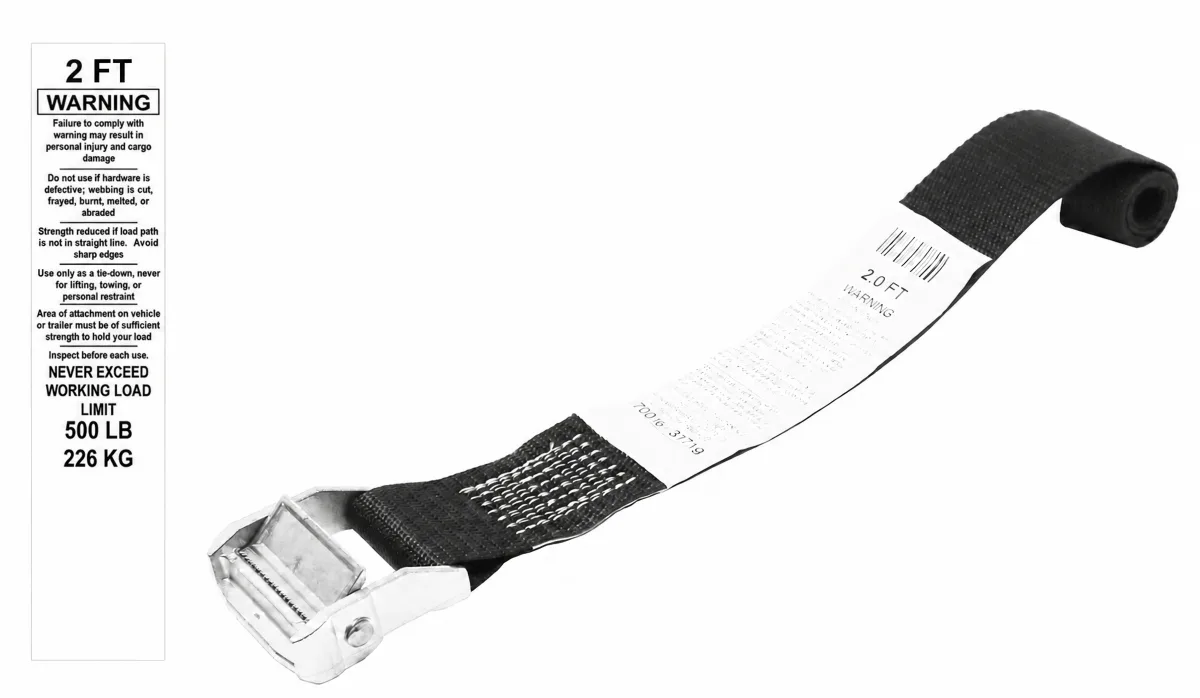
A separate soft loop is usually a short webbing component supplied for use with a compatible tie-down. Some motorcycle straps instead incorporate a soft tie in their own assembly. In either case, the webbing is intended to create a connection without placing the tie-down's metal hook directly against the selected contact surface, where the manufacturers permit that arrangement.
The loop is part of the load path, not just a protective cover. Its stitching, material, connection method and contact with the fitting matter. A soft loop does not replace the strap, suitable carrier anchor, edge protection or other components required by the transport plan.
Do not substitute elastic motorcycle accessory straps for a rated tie-down or assume an accessory is appropriate for vehicle transport because it has a powersports label. Verify the intended use and documentation of each complete product. For context, Xiangle's ratchet tie-down range and product catalog show available product groups; ask about a specific soft-loop or kit configuration rather than assuming it is listed or available.
Start with the motorcycle manufacturer's guidance
Identify the exact motorcycle model and consult its owner's manual or manufacturer for permitted transport attachment points and precautions. Different vehicles have different structures and components. A handlebar, frame member or other part is not automatically suitable simply because a loop can fit around it. If the manual does not identify an appropriate location, ask the vehicle manufacturer or a qualified transport professional before using the restraint.
Check the carrier or trailer's instructions and the condition of its anchor points as well. The loop-to-motorcycle connection is only one end of the system. Use the actual equipment's instructions to determine the arrangement, load direction and any additional support required.
The published FMCSA cargo securement rules apply to relevant US commercial motor vehicle operations and address the securement system as a whole. They do not turn a generic connection example into a vehicle-specific transport plan.
Check loop size, construction and contact
Compare the loop's usable length and opening with the manufacturer-approved attachment point. Ask how the supplier measures a separate loop: end-to-end, around its circumference or by another convention. For an integrated soft tie, ask for the position of the loop relative to the buckle, hook and usable strap length.
Inspect the intended path for contact with cables, hoses, body panels, sharp edges and moving components. A loop should not pinch or load parts that the vehicle manufacturer does not permit as attachment points. Where contact protection is needed, use a method approved for the application. Soft webbing can still rub, collect grit or mark a finish; do not promise that it prevents all cosmetic damage.
Ask for the material, construction, stitching and identification of the exact component. Confirm the intended application and any limitations for moisture, heat, chemicals or abrasion. Different materials and finishes should be compared against documented requirements, not selected by color or appearance.
Match the soft loop to the strap fitting
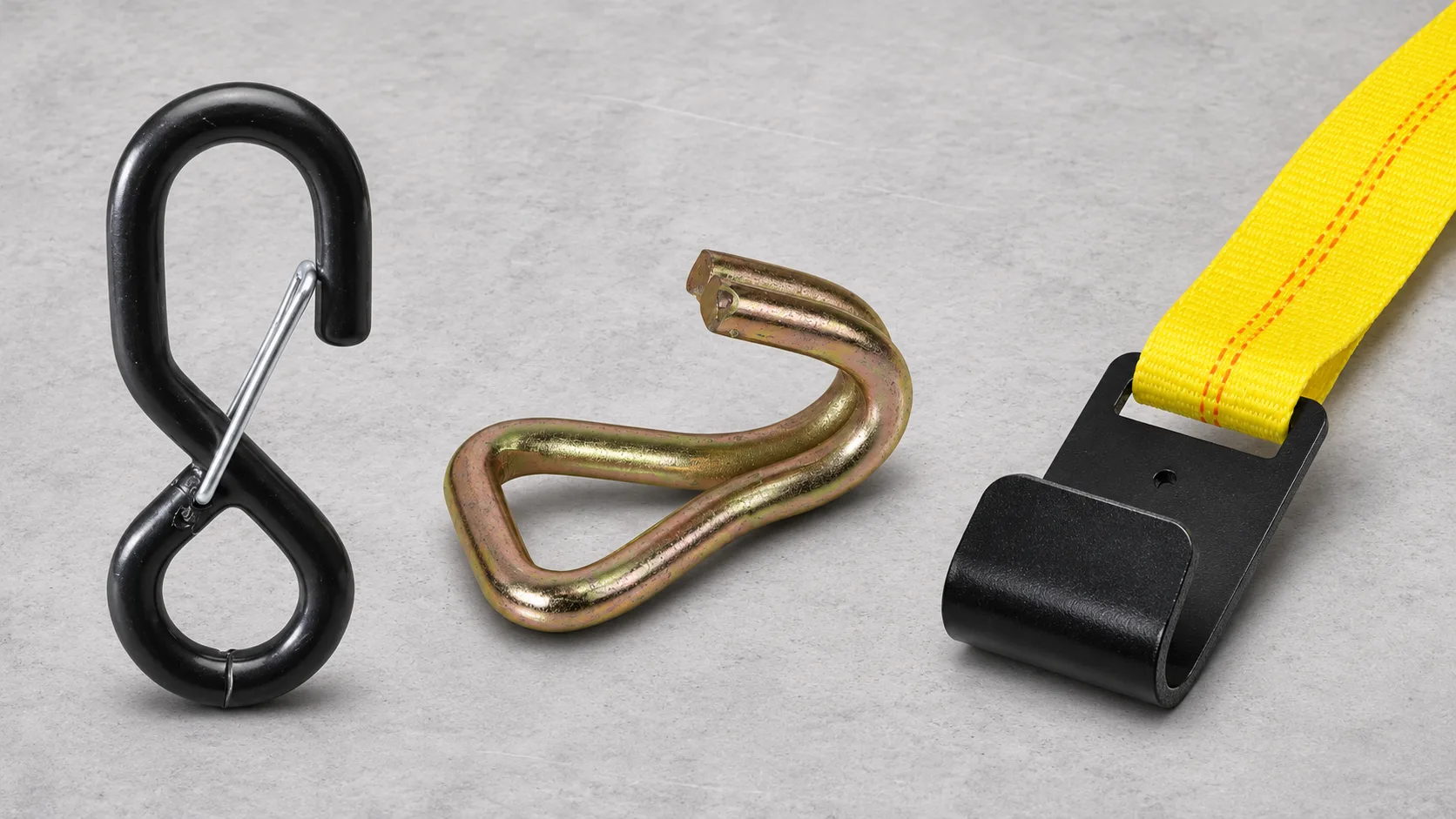
Review the hook or connector's opening, bearing surface and any gate or keeper. The supplier should confirm the permitted method for connecting the fitting to that loop and the intended direction of pull. The fitting must be able to seat and retain as designed without trapping webbing in a gate, loading a hook tip or bearing across an edge in an unintended way.
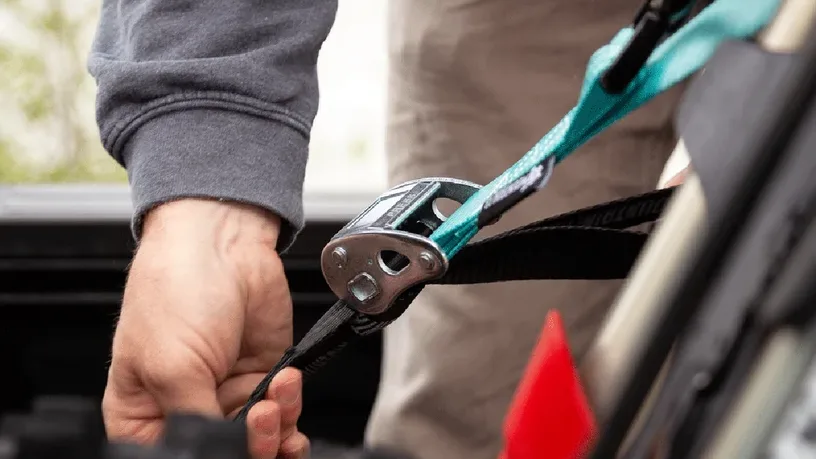
Some instructions for a particular soft-loop product show a loop-through-loop connection at an appropriate location, followed by a compatible hook connection. That example is not a universal threading method. Use the instructions for the exact loop and tie-down assembly, and do not knot, modify or combine components in a way their manufacturers have not approved.
Our guide to tie-down hook types covers fitting geometry and anchor contact. A named hook style alone does not establish compatibility with a specific loop or transport anchor.
Read ratings at the correct level
Request the manufacturer's working load information for the soft loop and the complete tie-down assembly, along with the permitted configuration and direction of use. A component's breaking strength is not the same as the working load limit of a complete restraint system. Nor should a strap's rating be transferred to an unrelated loop, fitting or anchor.
For applicable cargo-securement operations, the working load assessment must follow the relevant rules and equipment documentation. The manufacturer's instructions and the actual attachment method matter; do not assume the same rating applies in every configuration. The working load limit guide explains the difference between rating terms.
If a label, rating, fit or approved use cannot be established, hold the configuration for review instead of selecting a larger-looking loop or guessing from webbing width.
Inspect before use and release safely
Inspect the loop and complete strap according to the manufacturers' instructions. Look for cuts, fraying, damaged stitching, contamination or other defects identified by the supplier. Check hooks and any gate for damage and correct function. Remove damaged or questionable components from service; do not attempt an unapproved repair or restitch a load-bearing loop.
Confirm that the loop and fitting remain correctly positioned and that the release control is accessible. Before removing a tie-down, make sure the motorcycle is independently supported and cannot tip or shift as tension is released. Follow the specific equipment instructions and seek qualified assistance if access or load stability is uncertain.
A purchasing checklist for soft-loop kits
Before requesting samples or preparing retail instructions, document:
- The intended vehicle or application and the manufacturer-approved attachment location.
- Separate or integrated loop construction, quantity and measurement convention.
- Compatible tie-down fitting, gate clearance and permitted connection method.
- Relevant working load information and instructions for each complete component and configuration.
- Contact protection, inspection and removal-from-service requirements.
- Sample identifiers, packaging contents and the documentation needed for the destination market.
Compare an unloaded sample with the approved drawing and representative interfaces; a physical fit check alone does not establish a rated capacity. To discuss a configuration, send Xiangle an inquiry with the application, attachment geometry, desired kit contents and documentation requirements. Ask which options are available for the exact request.