Webbing
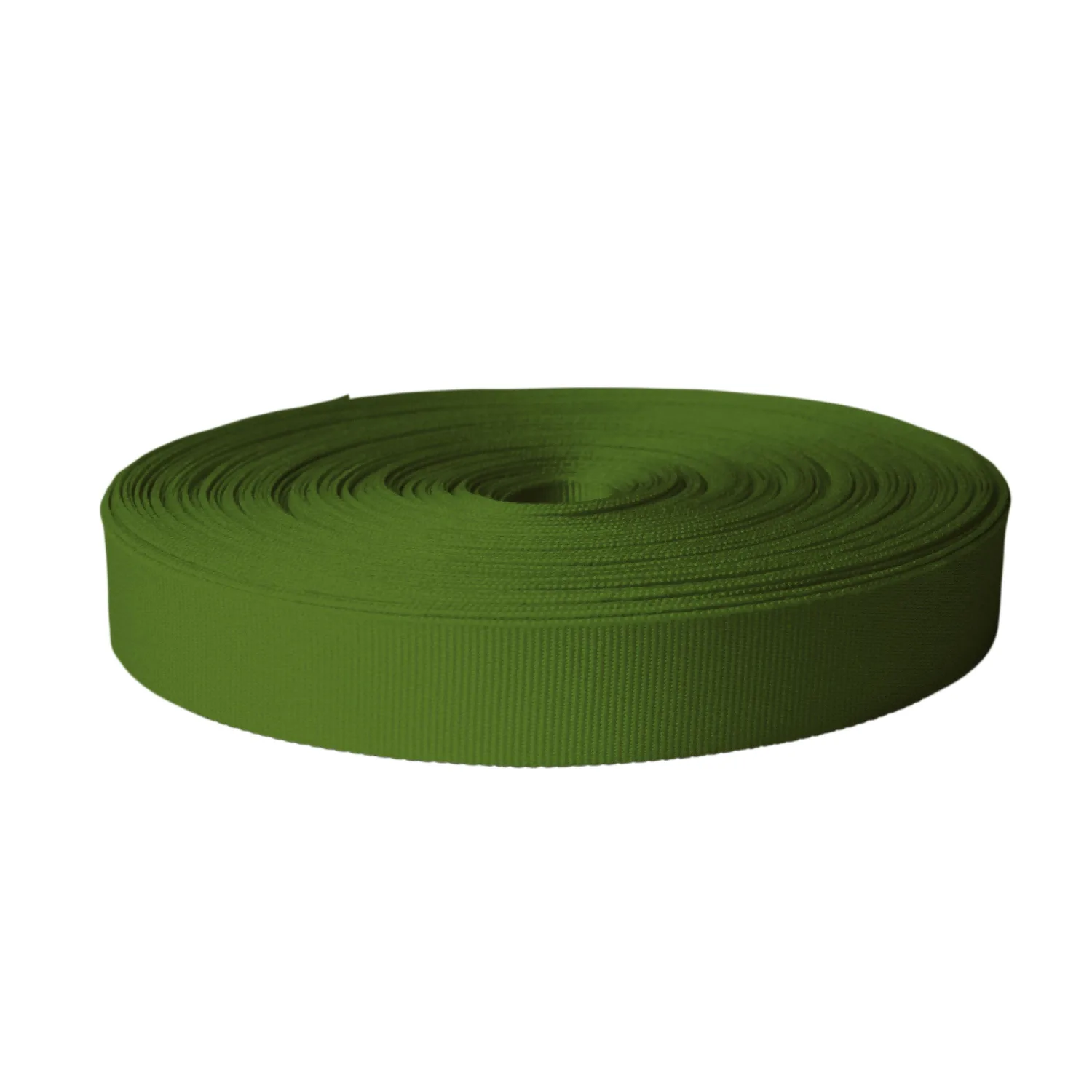
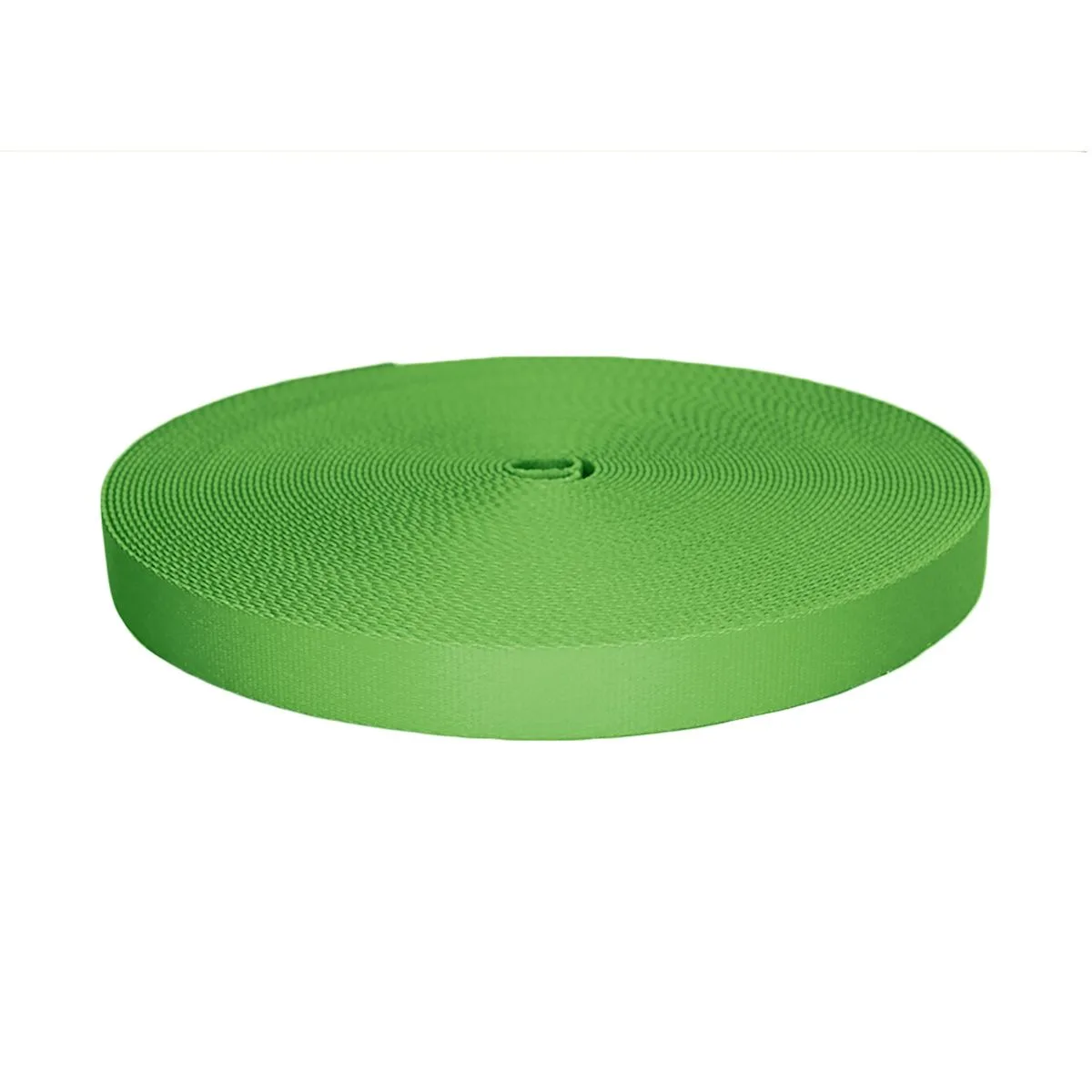
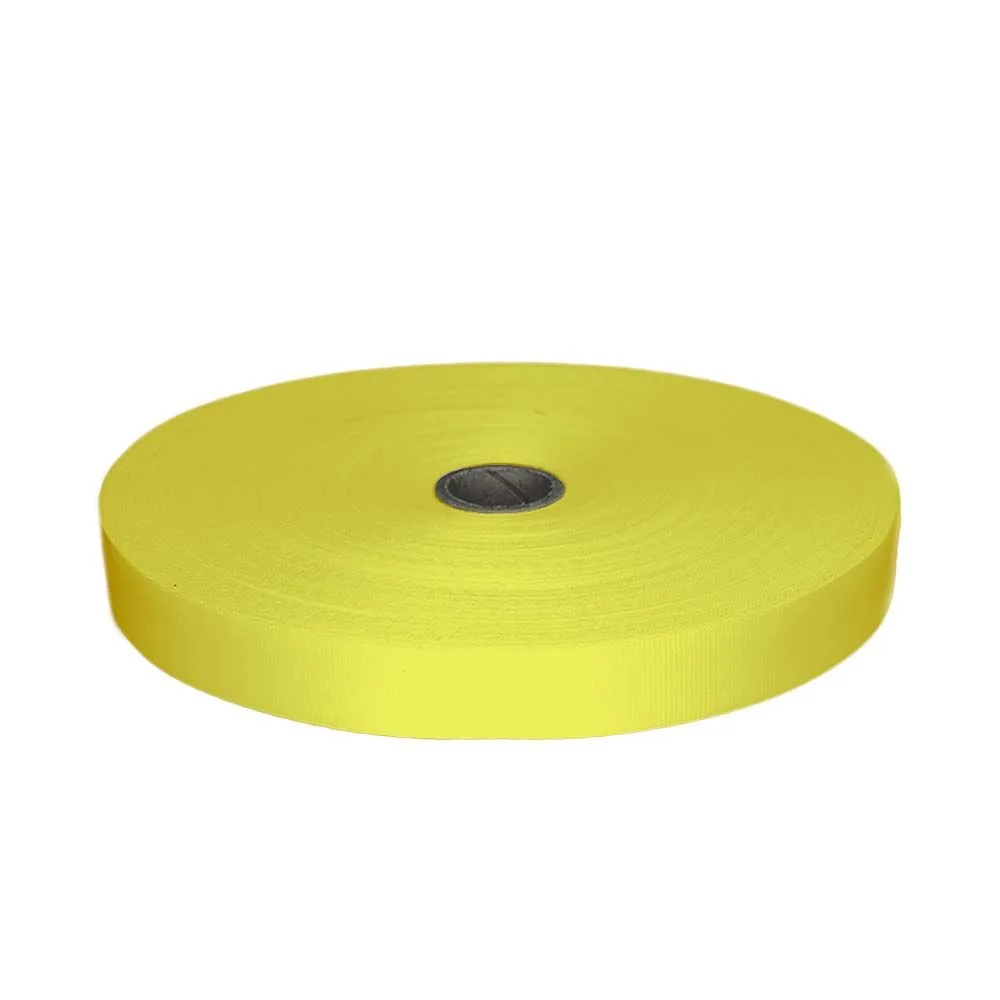
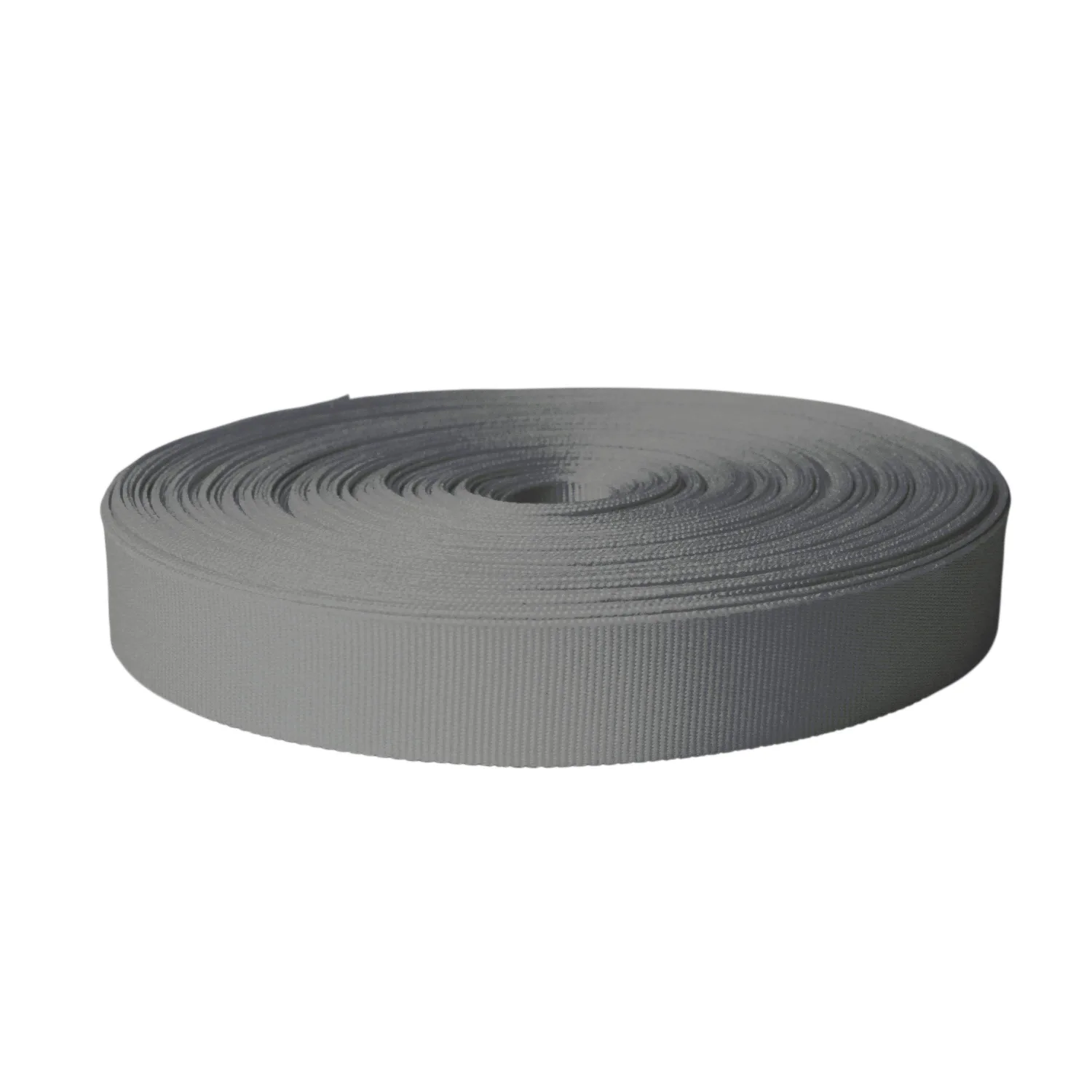
Why Polyester Webbing Instead of Nylon for Tie Down Straps?
When manufacturing cargo tie-down straps, choosing the right webbing material is just as important as selecting the ratchet buckle or hooks.
Both polyester (PES) and nylon are strong synthetic materials, but they behave differently under tension. For most cargo securing applications, polyester webbing is preferred because of its lower elongation, dimensional stability, and resistance to moisture.
Polyester vs. Nylon Webbing: Key Differences
Property | Polyester Webbing (PES) | Nylon Webbing |
|---|---|---|
Elongation | Generally lower | Generally higher |
Moisture Absorption | Low | Higher |
UV Resistance | Generally good | Generally less resistant without stabilization |
Dimensional Stability | Good | More sensitive to moisture |
Shock Absorption | Less elastic | Better suited to absorbing dynamic loads |
Typical Applications | Cargo tie downs, ratchet straps | Shock-absorbing and other specialized applications |
Lower Stretch Helps Maintain Cargo Stability
The primary function of a tie-down strap is to restrain cargo during transportation.
When a truck accelerates, brakes, or turns, the cargo securing system experiences changing forces. Excessive webbing elongation may allow additional cargo movement under load.
Polyester webbing generally stretches less than comparable nylon webbing, making it well-suited to ratchet tie-down straps where controlled elongation is important.
This is one reason polyester is widely used in ratchet tie-down straps and other cargo securing systems.
Better Performance in Wet and Outdoor Conditions
Cargo straps are frequently exposed to rain, humidity, and sunlight.
Polyester absorbs relatively little moisture compared with nylon, helping maintain dimensional stability in wet conditions. Polyester also generally offers better inherent UV resistance, although long-term performance depends on the yarn, construction, and exposure conditions.
These properties make polyester a practical choice for trailer, motorcycle, and outdoor cargo securing applications.
Does This Mean Nylon Webbing Is Weaker?
Not necessarily.
Both polyester and nylon webbing can be manufactured to meet demanding tensile strength requirements.
The main difference is how these materials behave under load. Nylon's higher elasticity can be beneficial when shock absorption is required, while polyester's lower elongation is generally more desirable for restraining cargo.
At Xiangle, we primarily use polyester webbing in our tie-down products because it offers a suitable balance of strength, dimensional stability, and outdoor performance.
[IMAGE 1: Close-up comparison of polyester and nylon webbing, with a caption explaining elongation and moisture resistance.]
Polyester Webbing Applications in Cargo Securing
Polyester webbing is widely used across different cargo securing systems. However, webbing requirements vary depending on the fastening mechanism and intended application.
Ratchet Tie Down Straps
Heavy-duty ratchet straps commonly use polyester webbing to secure cargo on trucks, trailers, and transport vehicles.
The webbing must provide adequate tensile strength while remaining compatible with the ratchet mechanism.
Cam Buckle Tie Down Straps
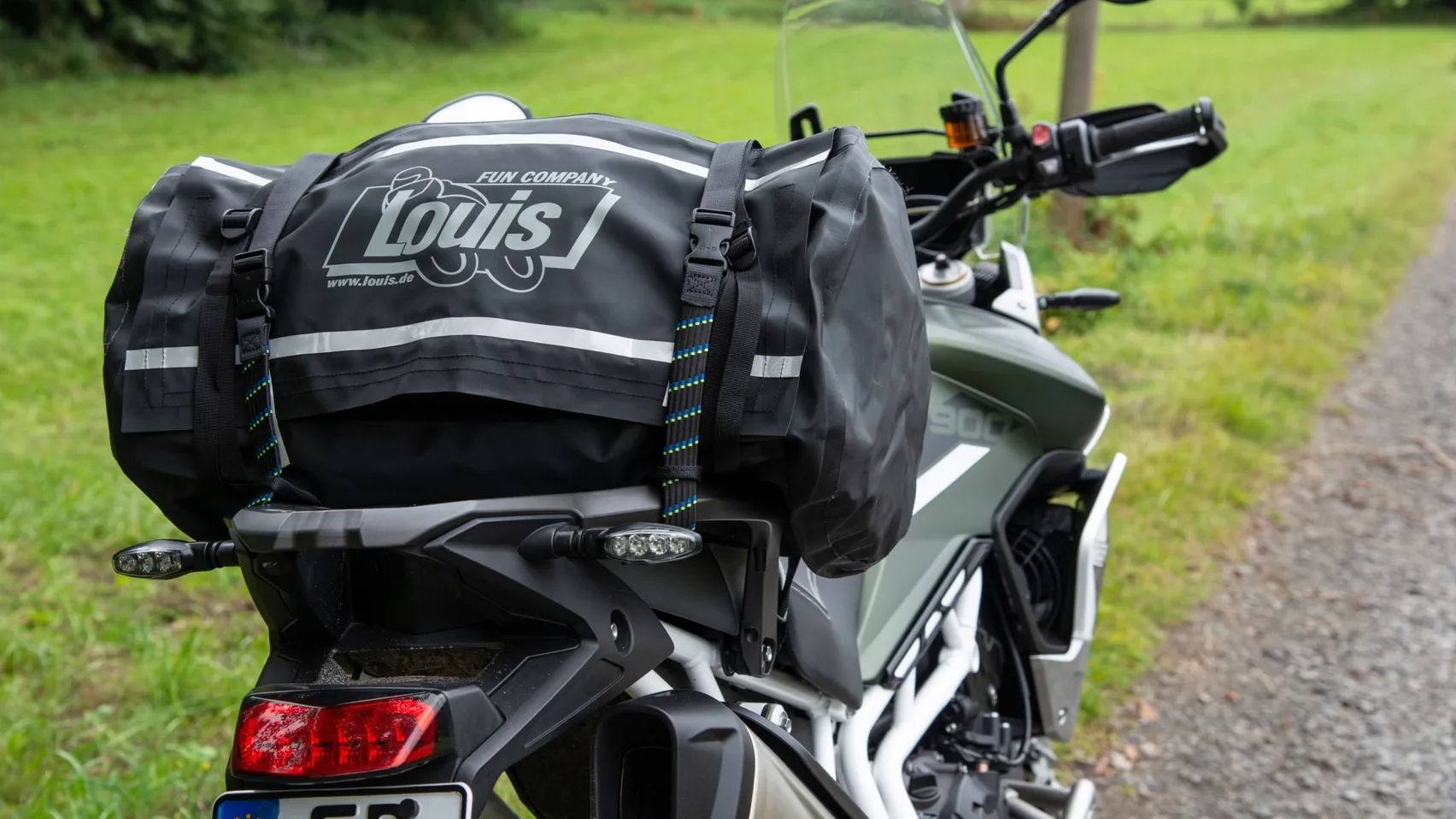
Our cam buckle straps use polyester webbing for applications where quick adjustment and convenient fastening are important.
These straps are commonly used for motorcycles, outdoor equipment, and general cargo securing.
[IMAGE 2: Three real Xiangle product photos showing ratchet straps, cam buckle straps, and retractable ratchet straps. Link each image to its corresponding product category.]
Custom Polyester Webbing Specifications & OEM Options
Different tie-down applications require different webbing specifications.
Xiangle supports customized polyester webbing for cargo securing products, including webbing width, length, strength, thickness, colors, and printing.
Available Webbing Widths
Our commonly used widths include:
- 25 mm (1 inch): Suitable for cam buckle straps, compact tie-down systems, and retractable straps.
- 38 mm (1.5 inch): Commonly used for motorcycle tie downs and general-purpose cargo securing.
- 50 mm (2 inch): Suitable for heavy-duty ratchet straps and trailer applications.
Actual webbing breaking strength depends on yarn selection, weave construction, and production specifications. Width alone does not determine load capacity.
Custom Colors and Logo Printing
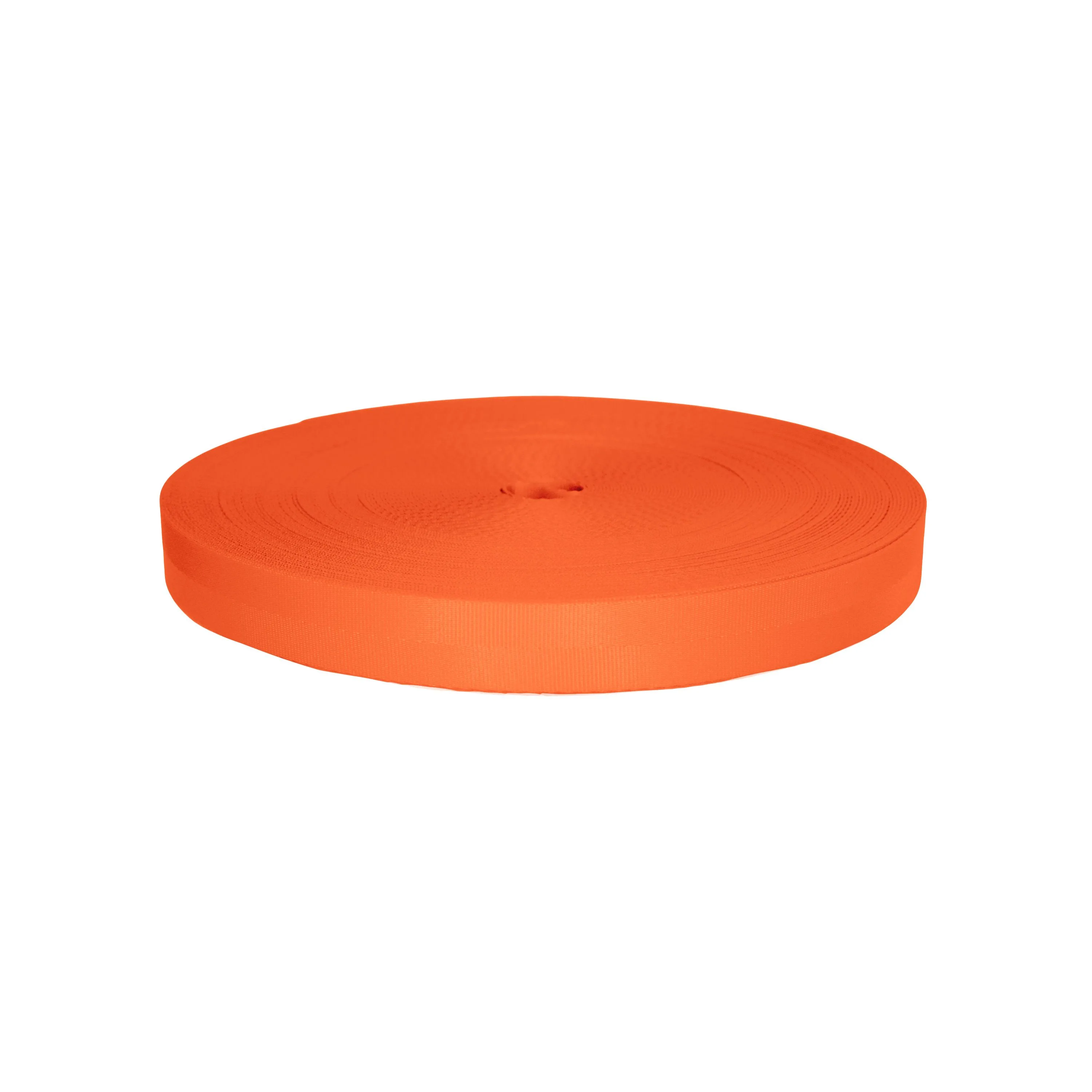
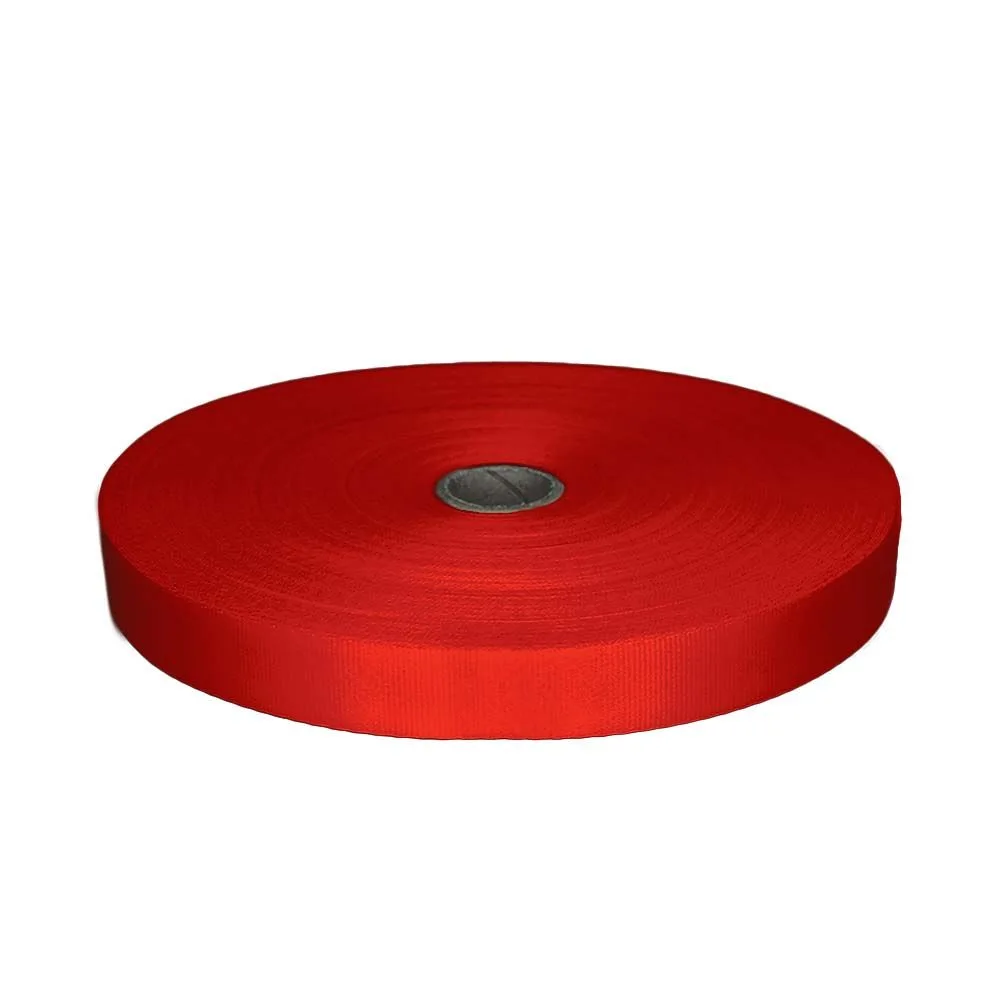
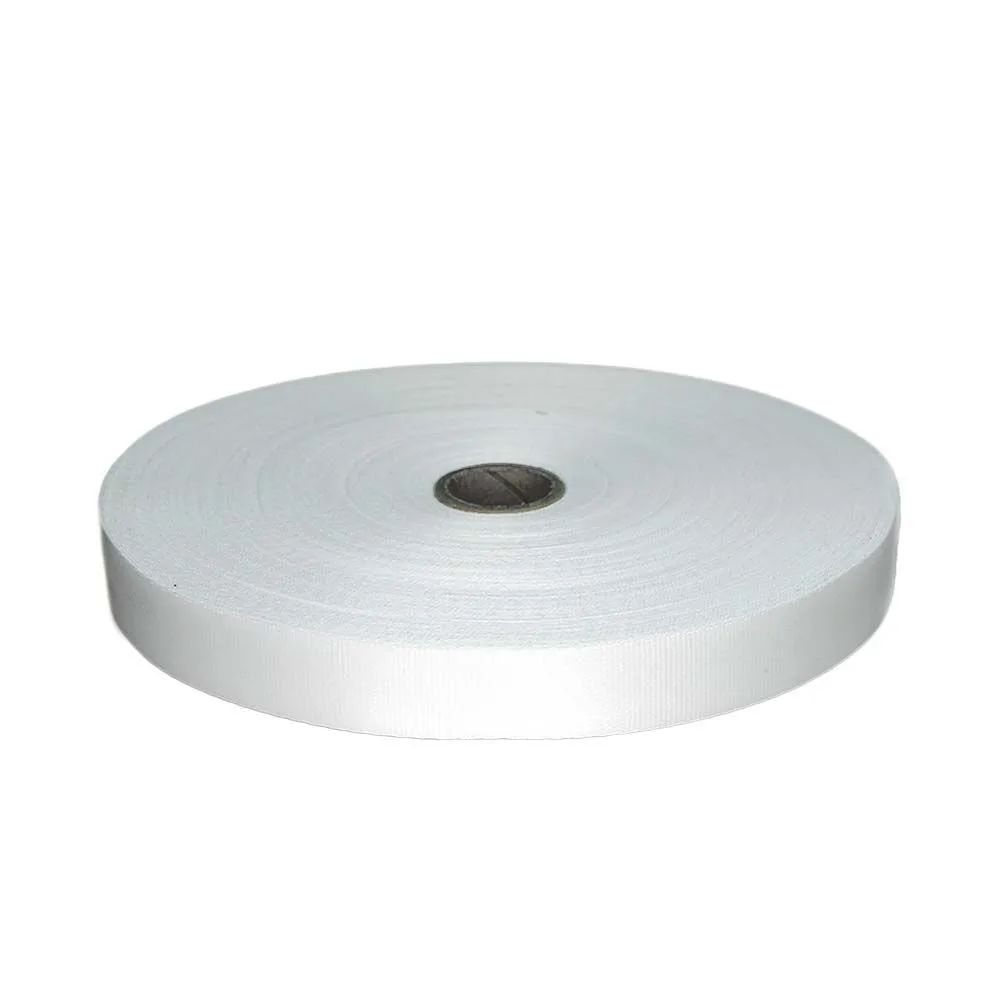
We offer a variety of standard colors and support custom Pantone colors, with a typical minimum order quantity of 3,000 meters for custom-colored webbing.
Custom logo and warning label printing can also be arranged according to the customer's branding requirements.
Webbing Thickness and Tensile Strength
Not every application benefits from thicker webbing.
For example, a compact retractable tie-down mechanism may require relatively thin, flexible webbing while still meeting the necessary tensile strength requirements.
We can evaluate suitable webbing constructions based on your product design and performance targets.
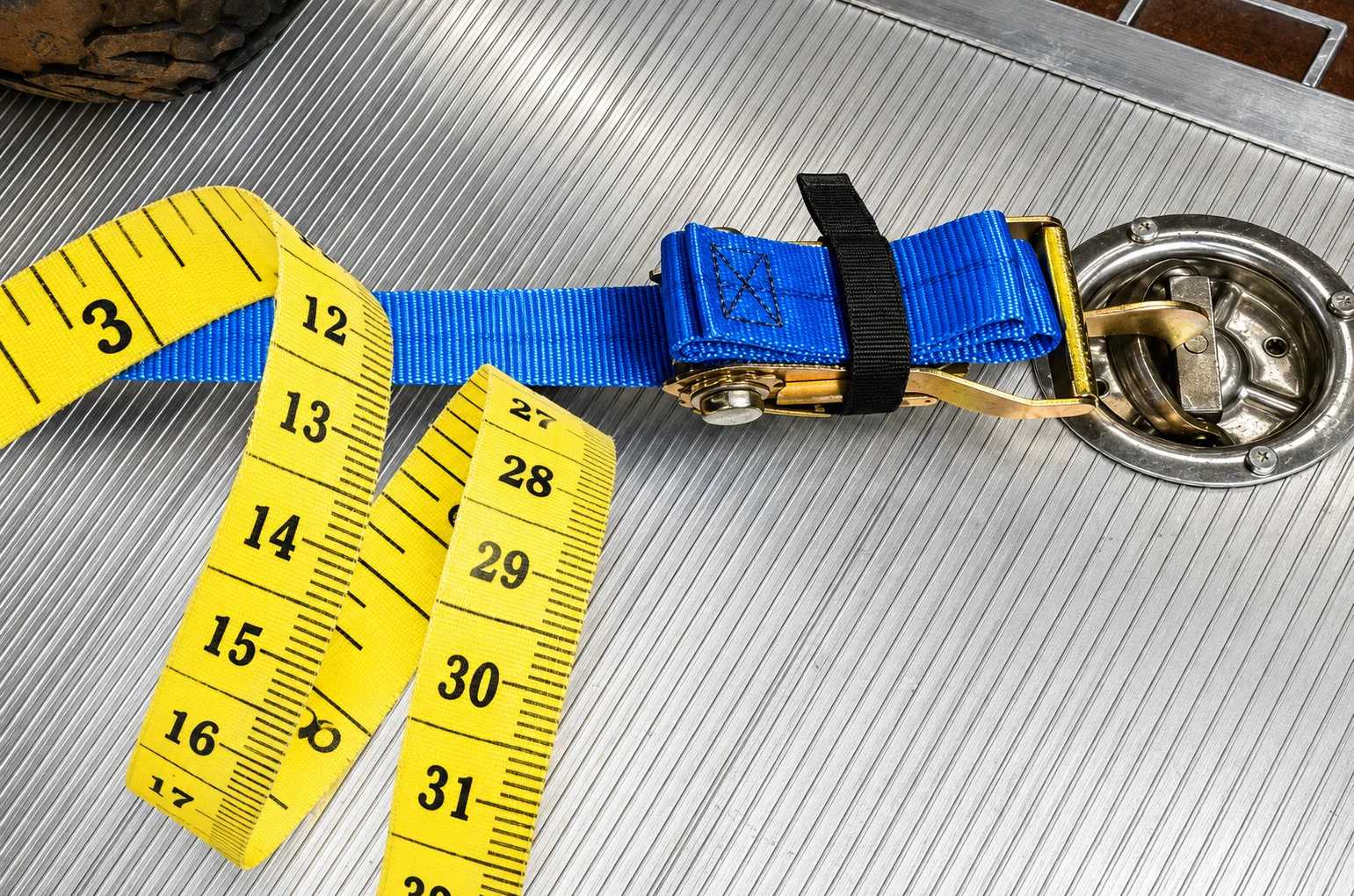
[IMAGE 3: Real close-up photos of different webbing colors, widths, printing, and thickness measurements.]
How to Choose the Right Webbing for Your Tie Down Straps
When sourcing polyester webbing for a new tie-down product, consider the following factors:
- Required Breaking Strength: Confirm the target tensile strength and appropriate safety requirements for the finished strap assembly.
- Webbing Width and Thickness: Select dimensions compatible with the buckle, hook, or retractable mechanism.
- Elongation: Consider how much webbing stretch is acceptable during cargo transportation.
- Operating Environment: Evaluate exposure to sunlight, moisture, abrasion, and other environmental conditions.
- Applicable Standards: Depending on the intended market and product, consider relevant requirements such as EN 12195-2 and WSTDA standards.
For the U.S. market, WSTDA-T-4 provides guidance specifically for synthetic webbing used in tie-down manufacturing, including nylon and polyester materials.
Questions & Answers
Is polyester webbing waterproof and UV resistant?
Polyester has low moisture absorption and good UV resistance, making it suitable for outdoor use. However, prolonged UV exposure can reduce its strength.
Does polyester webbing stretch under load?
Yes, but polyester generally stretches less than nylon, helping maintain more stable tension during cargo transportation.
What is the difference between webbing breaking strength and tie-down strap WLL?
Webbing Breaking Strength is the maximum force the webbing material withstands before failure. Tie-Down Strap WLL is the rated working capacity of the complete assembly, including webbing, stitching, buckles, and hooks, determined according to applicable standards.